
Marianne Campbell Associates represents a dynamic roster of photography and motion talent, grounded in a clear and consistent ethos: honesty in artistry. With a reputation for thoughtful collaboration and a sharp understanding of both creative and client needs, the agency has built enduring relationships across the industry. In a constantly shifting landscape, their continued relevance reflects both experience and an ability to evolve with intention. We sat down with the team behind Marianne Campbell Associates to discuss their approach to representation, their roster, and how they continue to move in step with the advertising world.
Select Clients
Nike · Target · Audi · Disney · PepsiCo · Walmart · Ram · Native · AbbVie · Pfizer · Servier · Edward Jones · Cox Media · Omni · Purina · Girl Scouts of America · Visit California · San Francisco Ballet
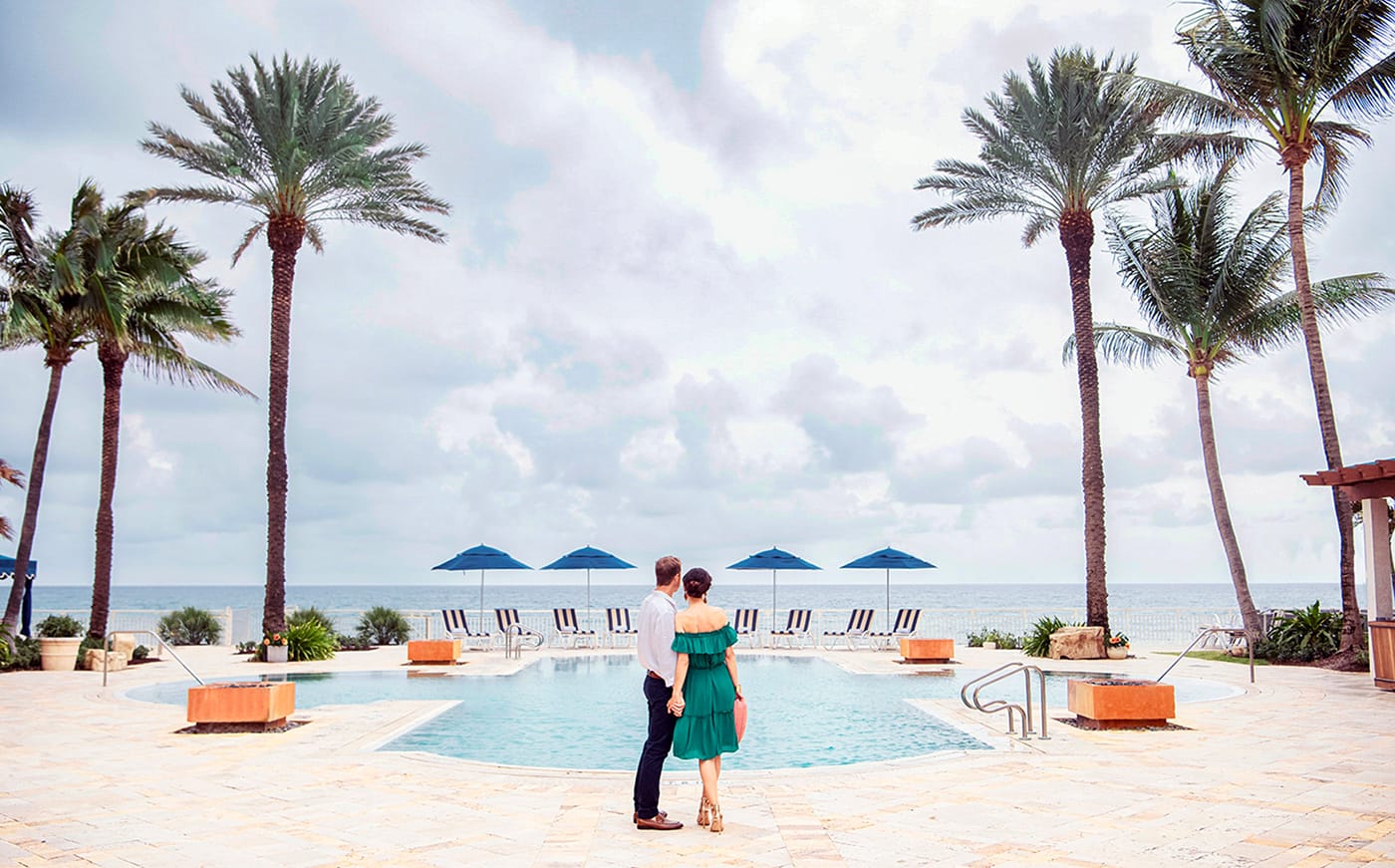
Kate T. Parker


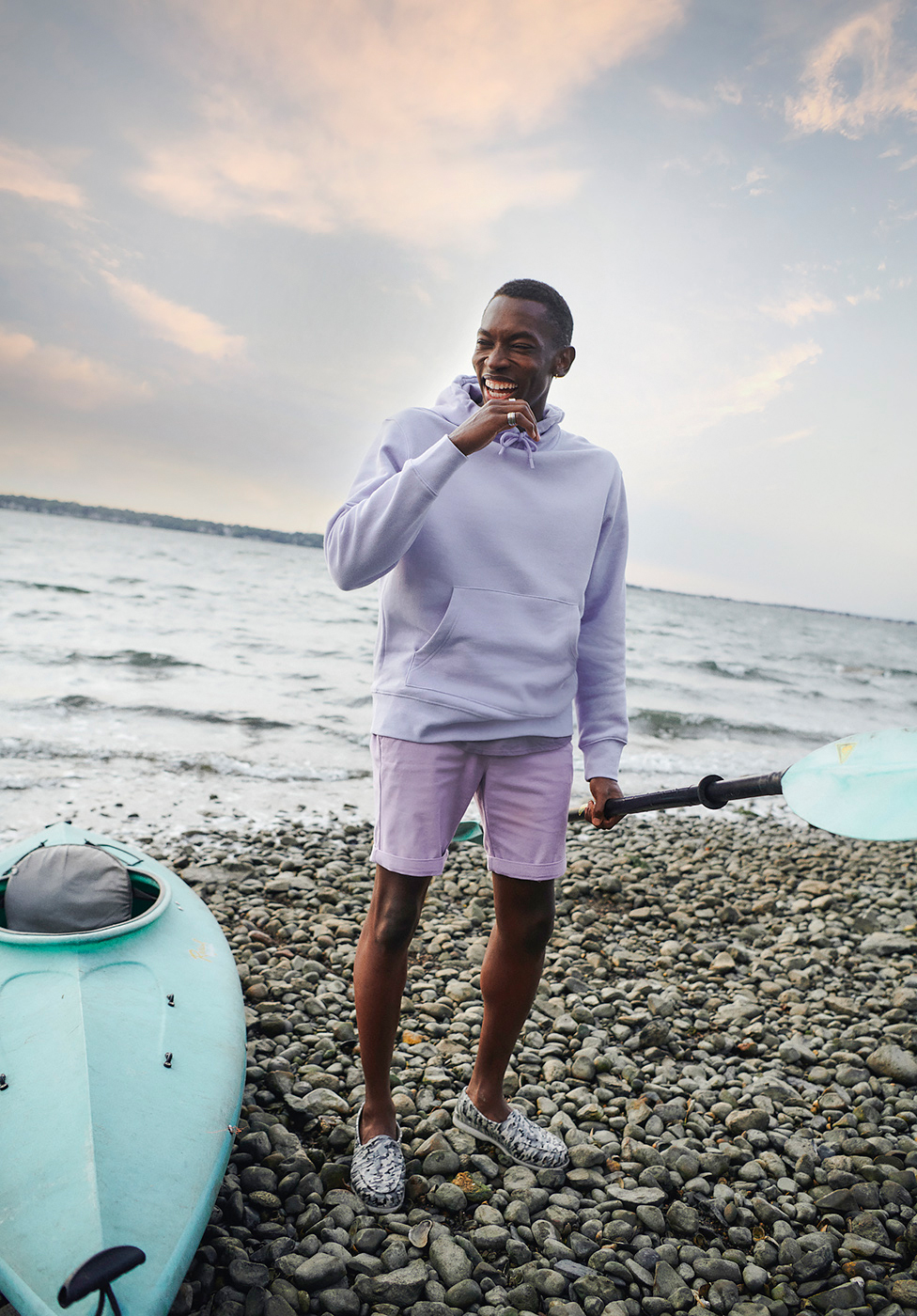
Annabelle Breakey




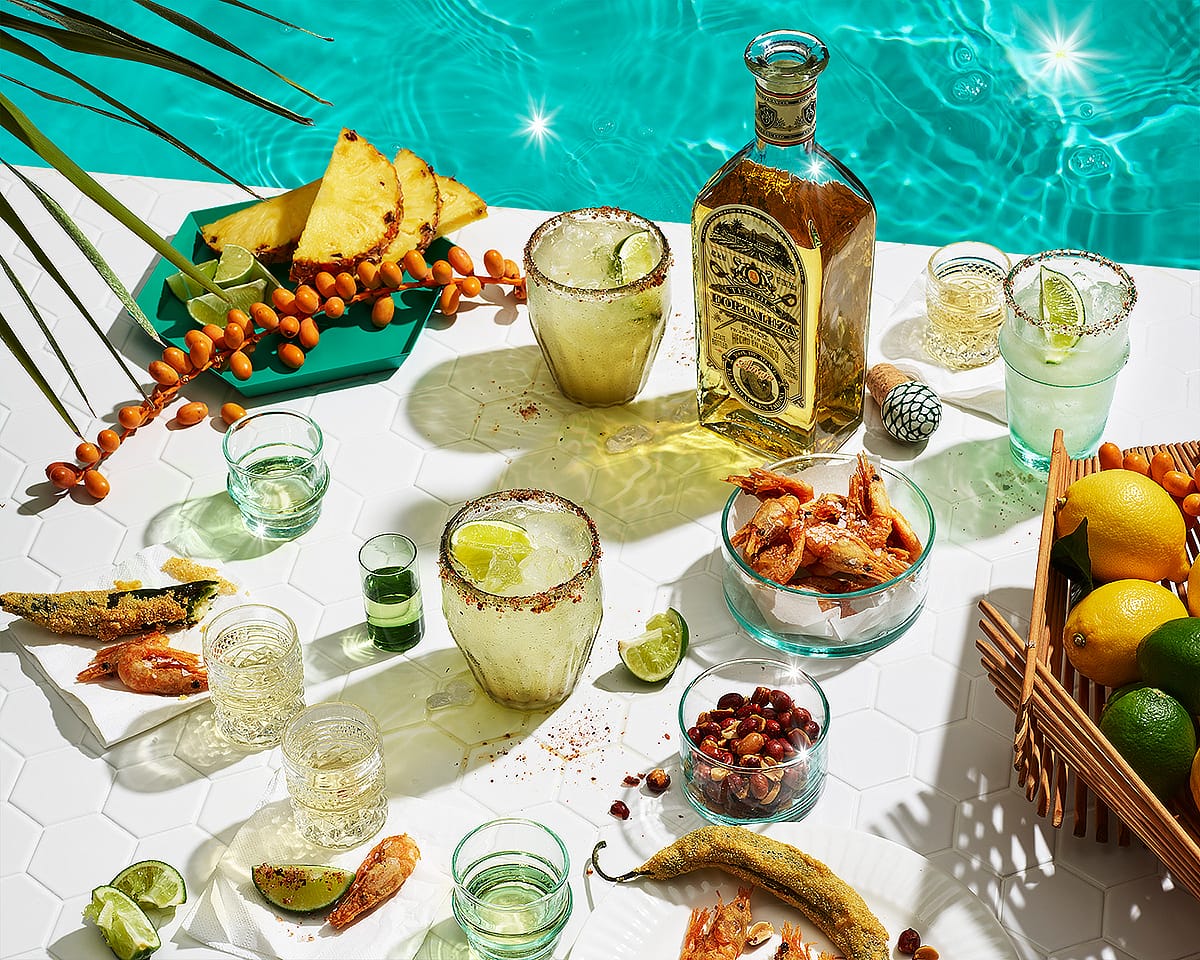


1. Marianne Campbell Associates has built a strong reputation over the years—how would you define the agency’s creative point of view today?
Thank you! We’re incredibly proud of the reputation we’ve built at Marianne Campbell Associates. Our creative point of view is rooted in storytelling with a clear and own-able perspective. We’ve never been interested in chasing trends or aligning with what’s momentarily popular. Instead, we champion work that feels authentic to each artist: imagery that reflects a genuine point of view. That authenticity is what ultimately gives the work its longevity and sense of timelessness.
2. Your roster is incredibly distinct. What draws you to the artists you represent, and how do you cultivate that talent over time?
The barrier to entry is always the work. It has to be strong, and it has to resonate with us. But deciding to bring someone onto the MCA roster goes far beyond that. Who they are as people matters just as much, if not more. We view these relationships as true partnerships, and they’re typically long-term. We’re drawn to artists who have a clear point of view, a genuine curiosity about the world, and a mutual respect for the agent and artist collaboration—an understanding of what each of us brings to the table. Our artists have distinct visions, and our role is to help guide, refine, and strategically position that work so it continues to grow and evolve over time.
Randal Ford

Will Graham




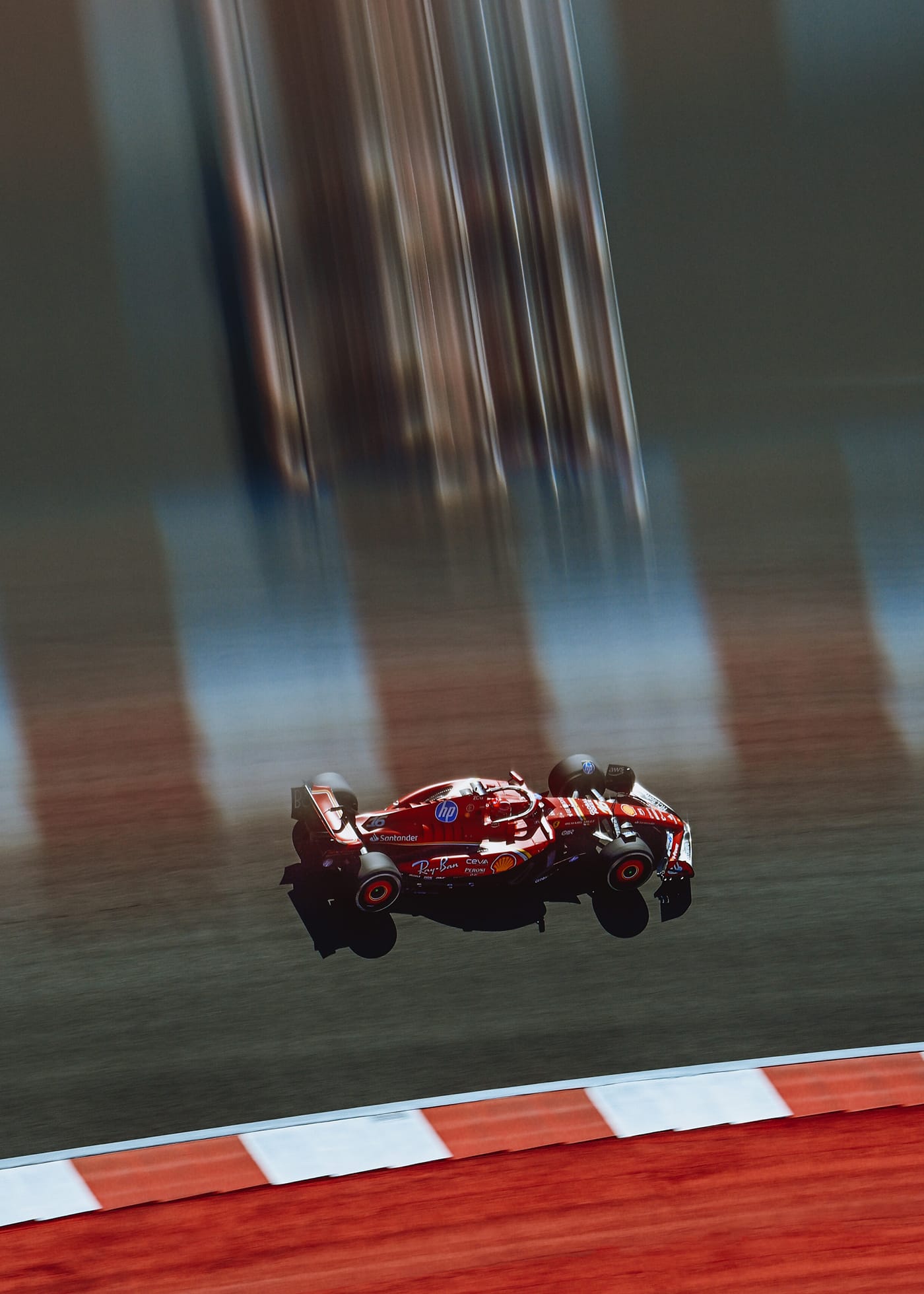

3. When a new project comes in, what does your process look like for pairing the right artist with the right client?
This is a great question, especially as the role of the artist agent has evolved. Our art producer partners often rely on us to recommend the right artist once a creative brief is shared. The process is both strategic and intuitive. We start with the brief. There’s usually a clear stylistic direction. From there, we identify artists on our roster who align with that vision, and we’ll often present a curated set of options. Once we’re on a creative call, the dynamic becomes just as important as the work itself. Is there chemistry? Do they connect as people? Can the creative team see themselves collaborating closely with this artist, and do they respond to how the artist is thinking about the project? The goal is always to create the right alignment. When that’s in place, the work tends to exceed expectations.
4. How do you support your artists beyond representation—whether creatively, strategically, or in navigating the evolving marketplace?
A big part of our role is helping artists think beyond the immediate job. Creatively, we’re in ongoing dialogue about their portfolios and what we’re collectively marketing. We’re involved in editing, sequencing, identifying gaps, and encouraging new personal work that pushes them forward. Strategically, we focus on the bigger picture: how they’re positioned in the market, where opportunities are emerging, and how their skill sets can continue to expand. On a practical level, we navigate everything from licensing and production structure to client relationships. The industry is constantly evolving, and part of our role is helping artists move through that with clarity and confidence.
Margaret Lampert




Sara Forrest




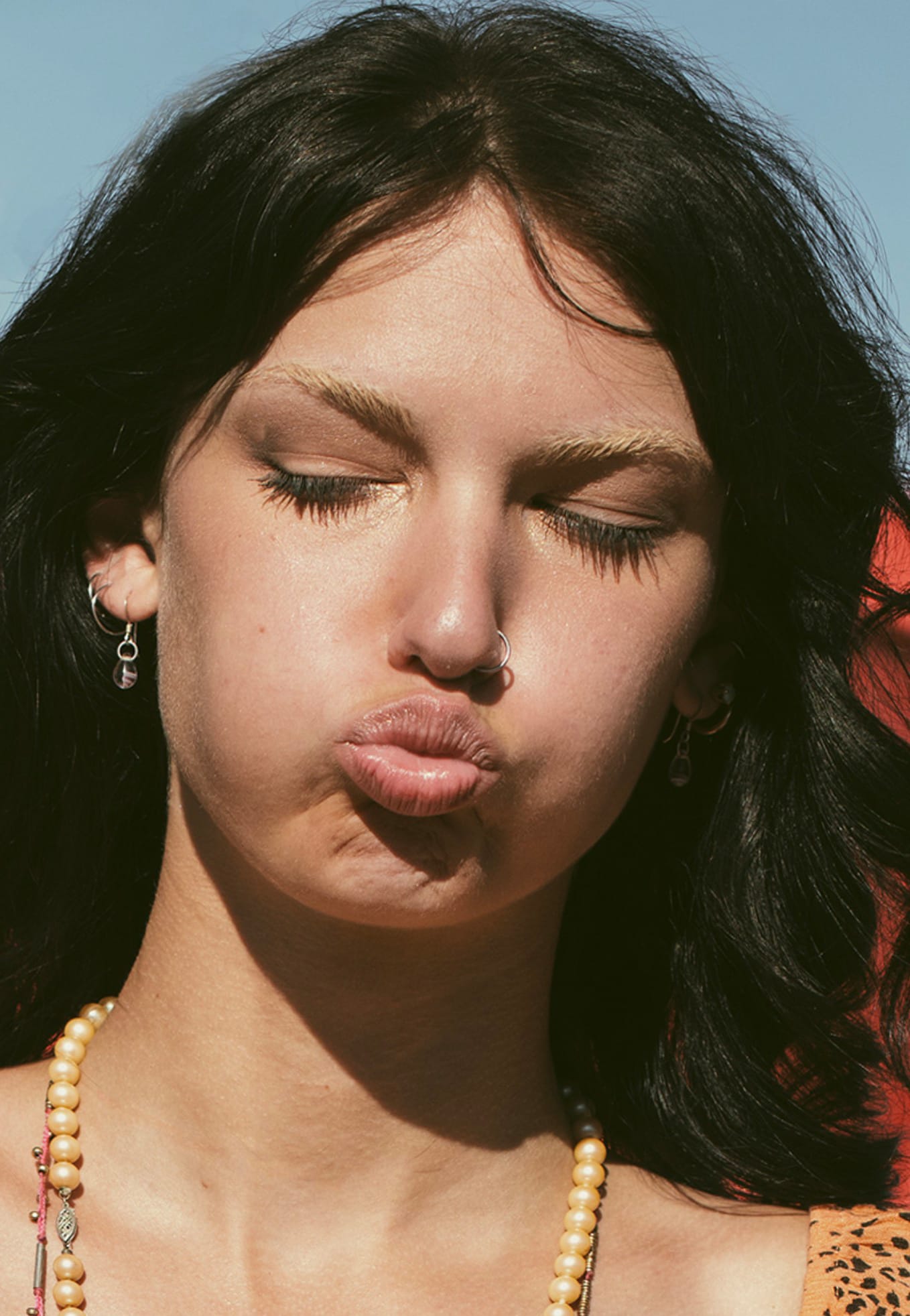
“Is there chemistry? Do they connect as people?…The goal is always to create the right alignment. When that’s in place, the work tends to exceed expectations.”
Matthew Turley
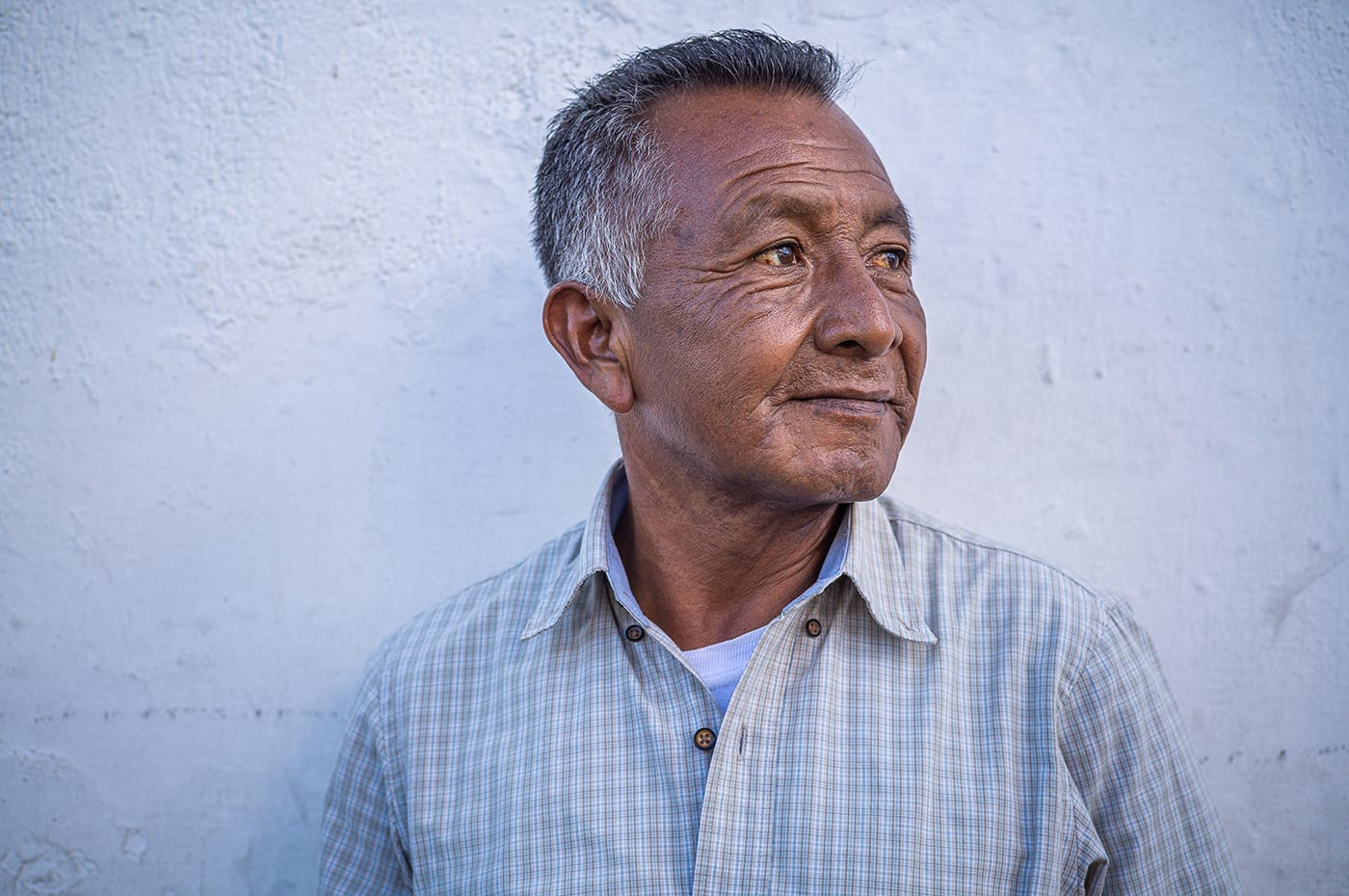




Shaun Fenn





5. From your perspective, how is the role of illustration and animation shifting across advertising, editorial, and branded content?
There’s a growing appetite for work that feels crafted, distinctive, and authentic, especially as so much content becomes more homogenized. At the same time, we’re seeing far greater integration across disciplines. Projects now often blend stills, motion, illustration, CGI, AI, and design into a cohesive visual language. As those boundaries continue to blur, it creates new opportunities for more expansive and inventive storytelling.
6. Are there recent collaborations or types of projects that you feel really capture what your agency does best?
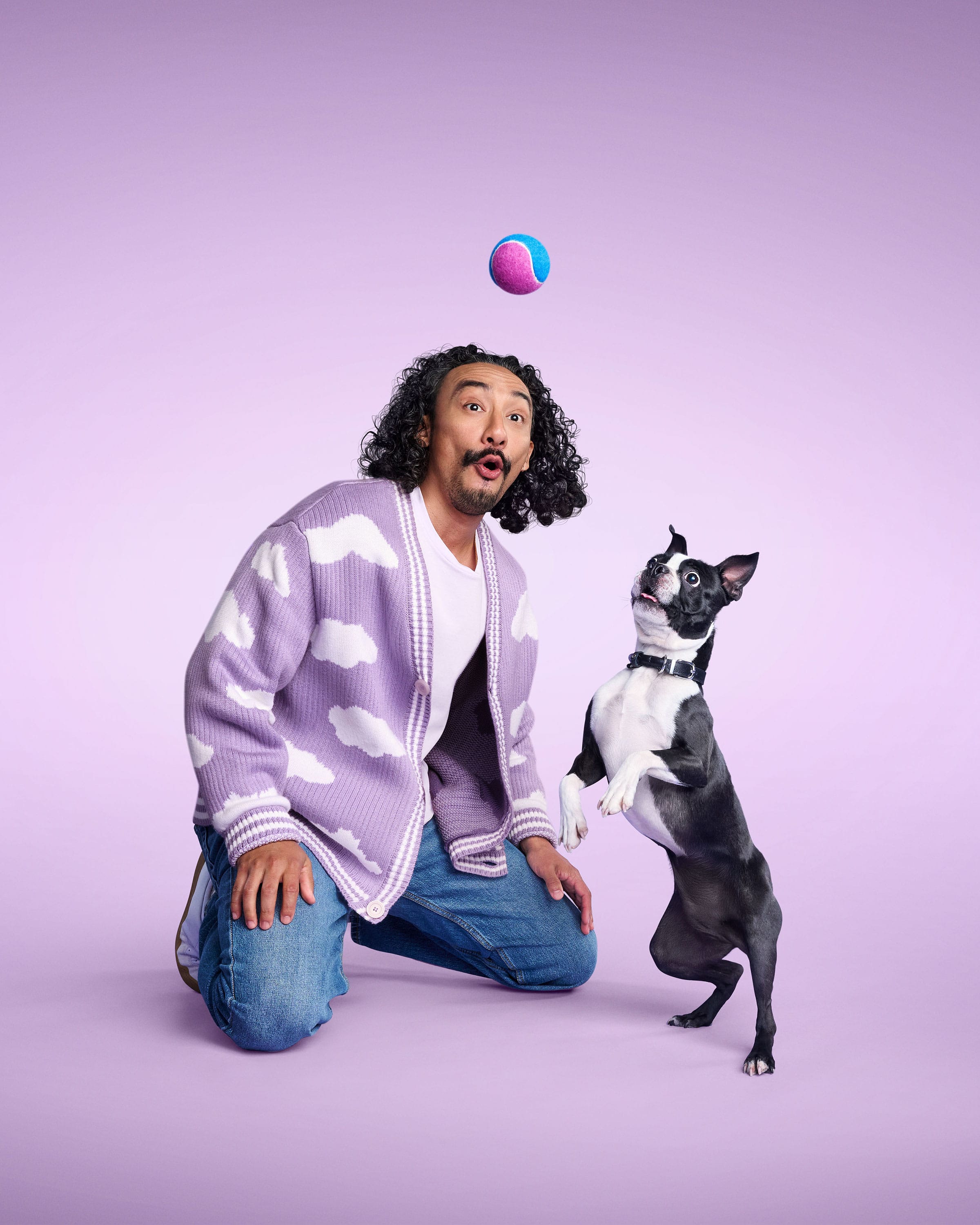
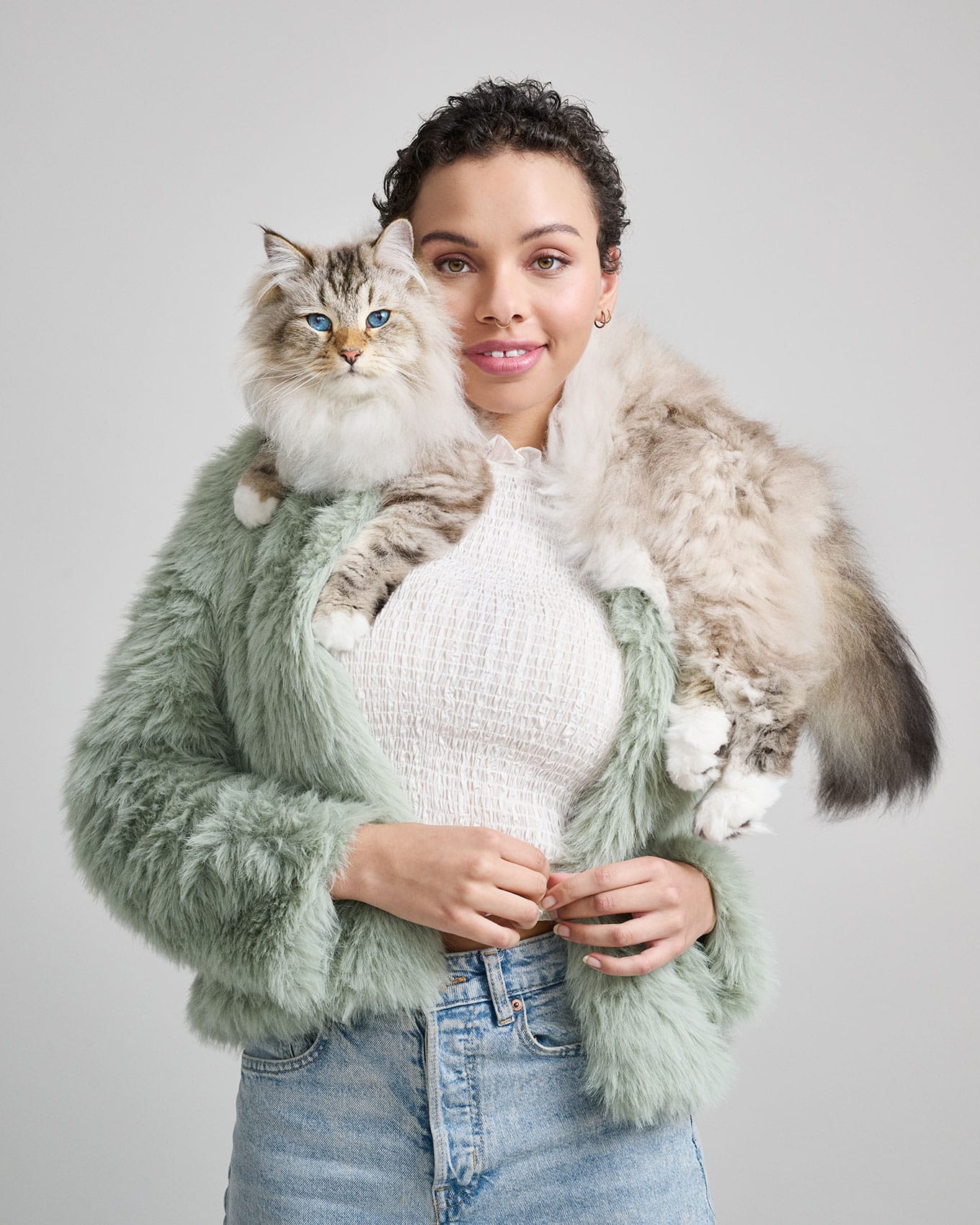
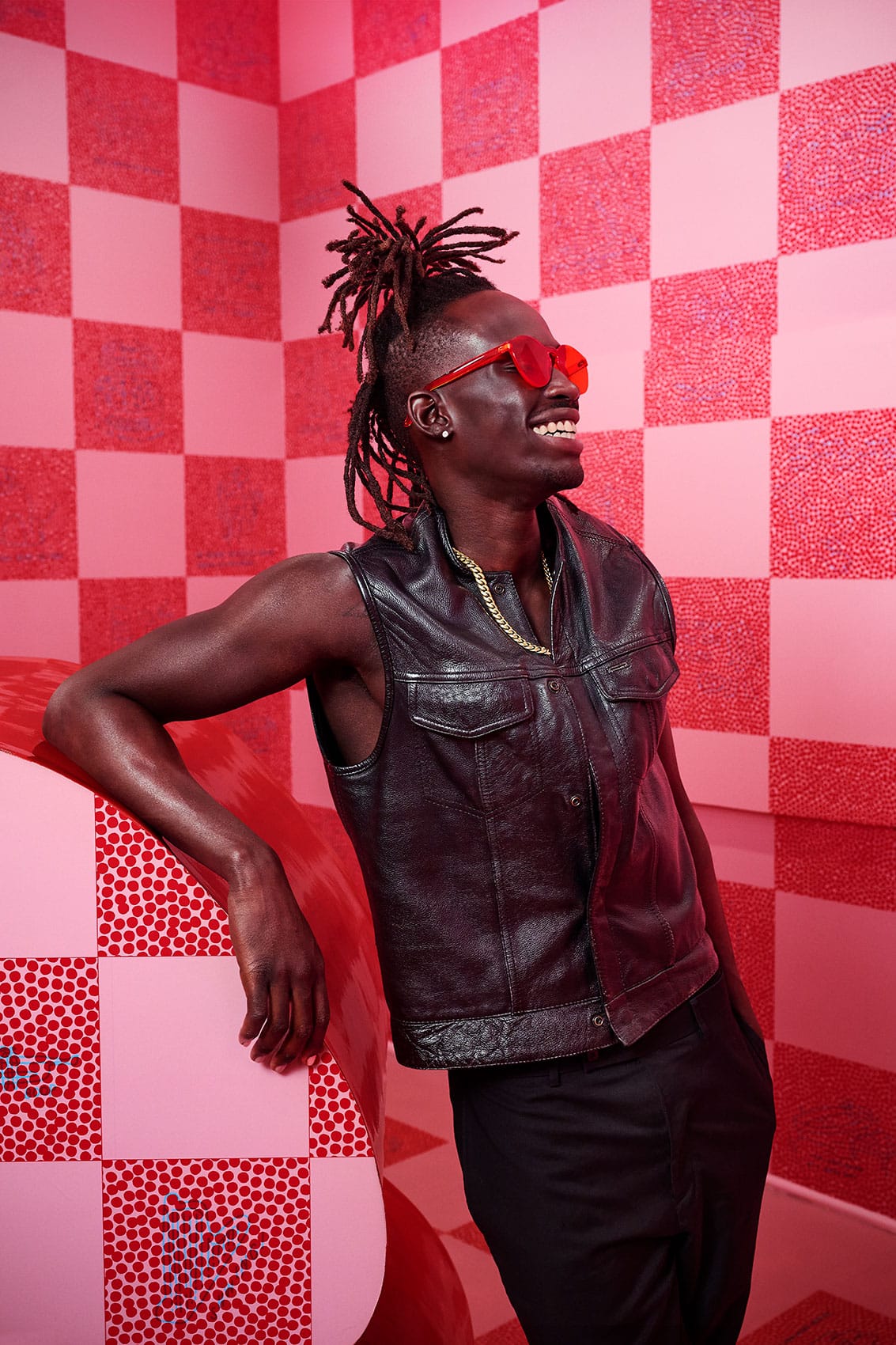
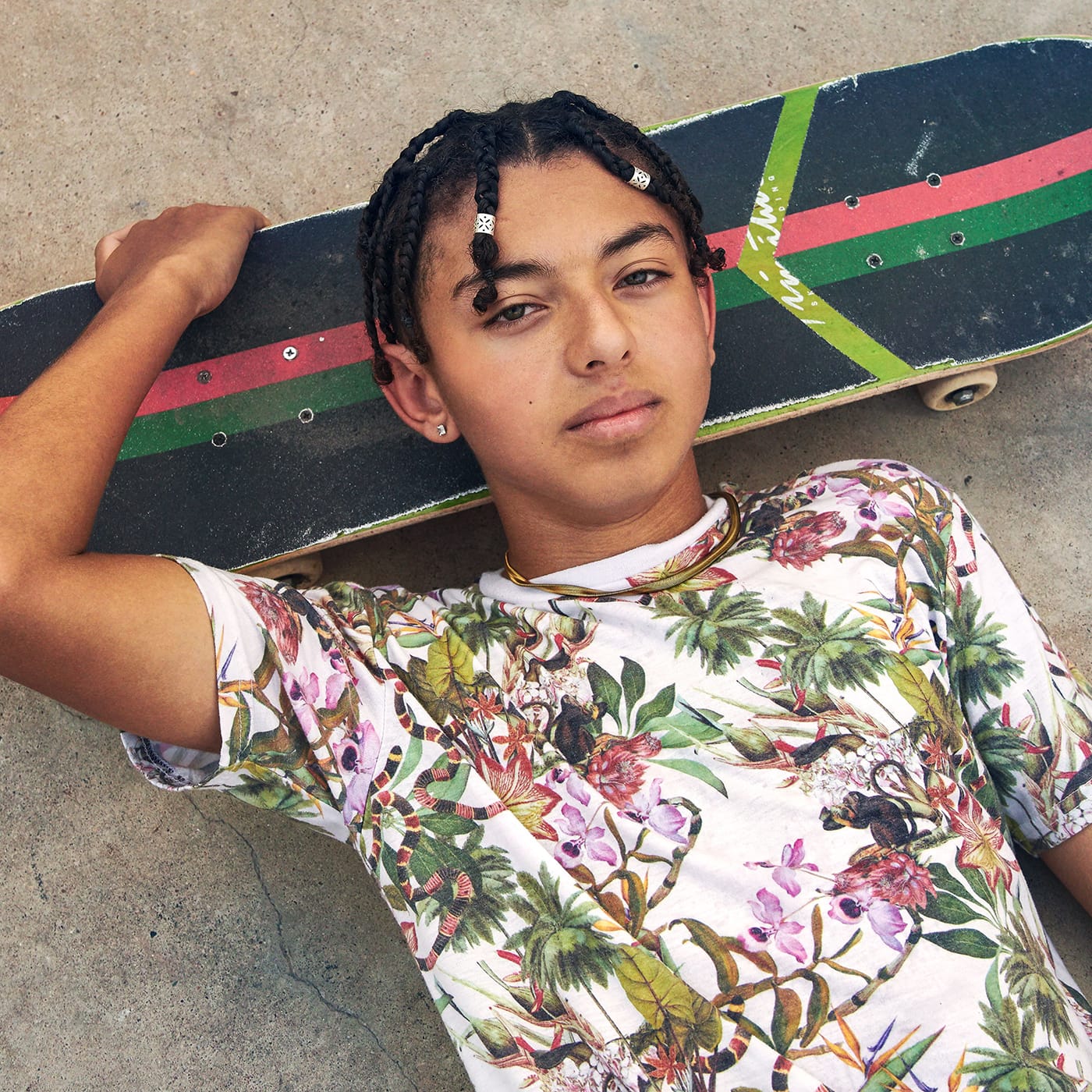
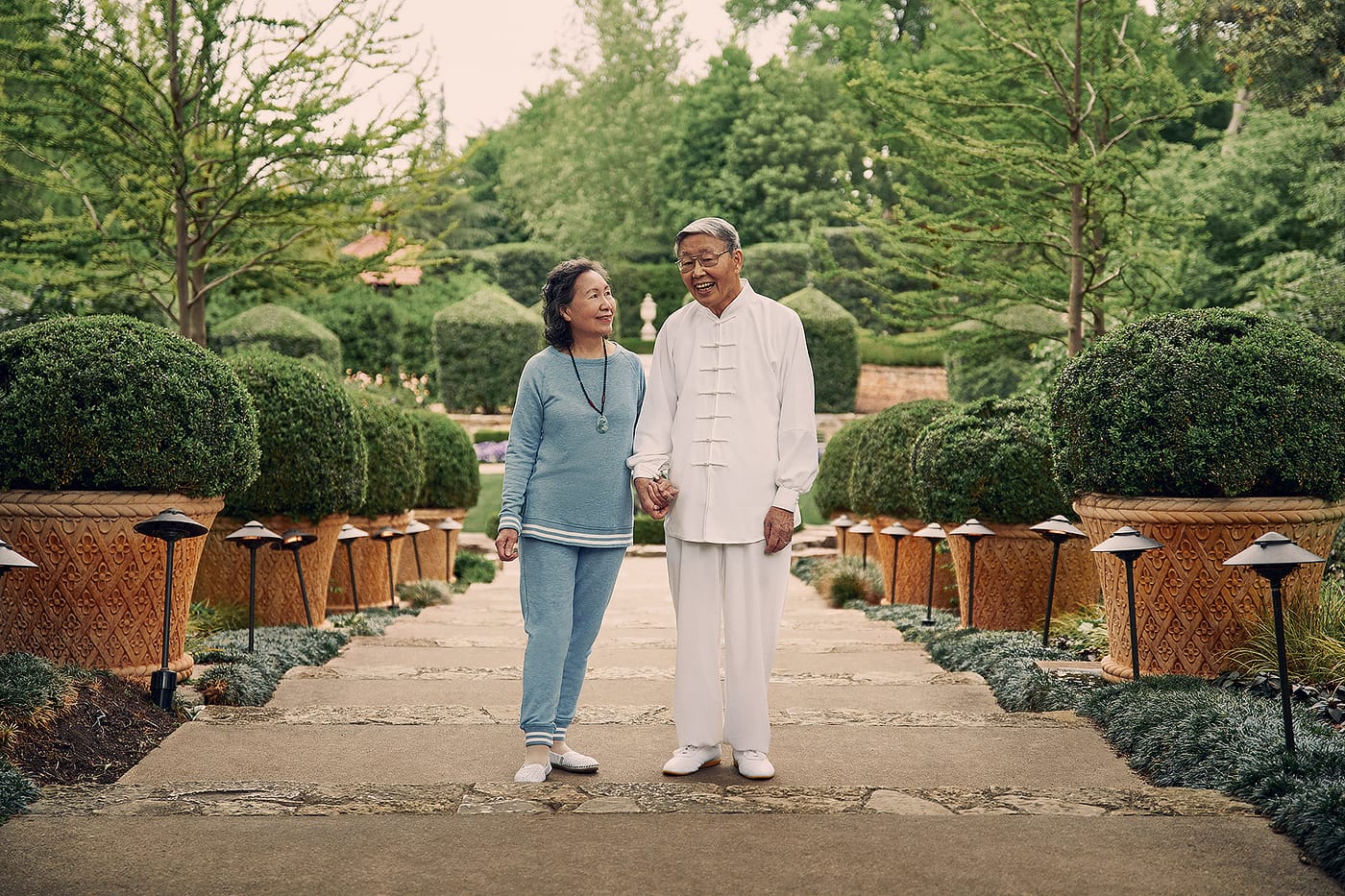
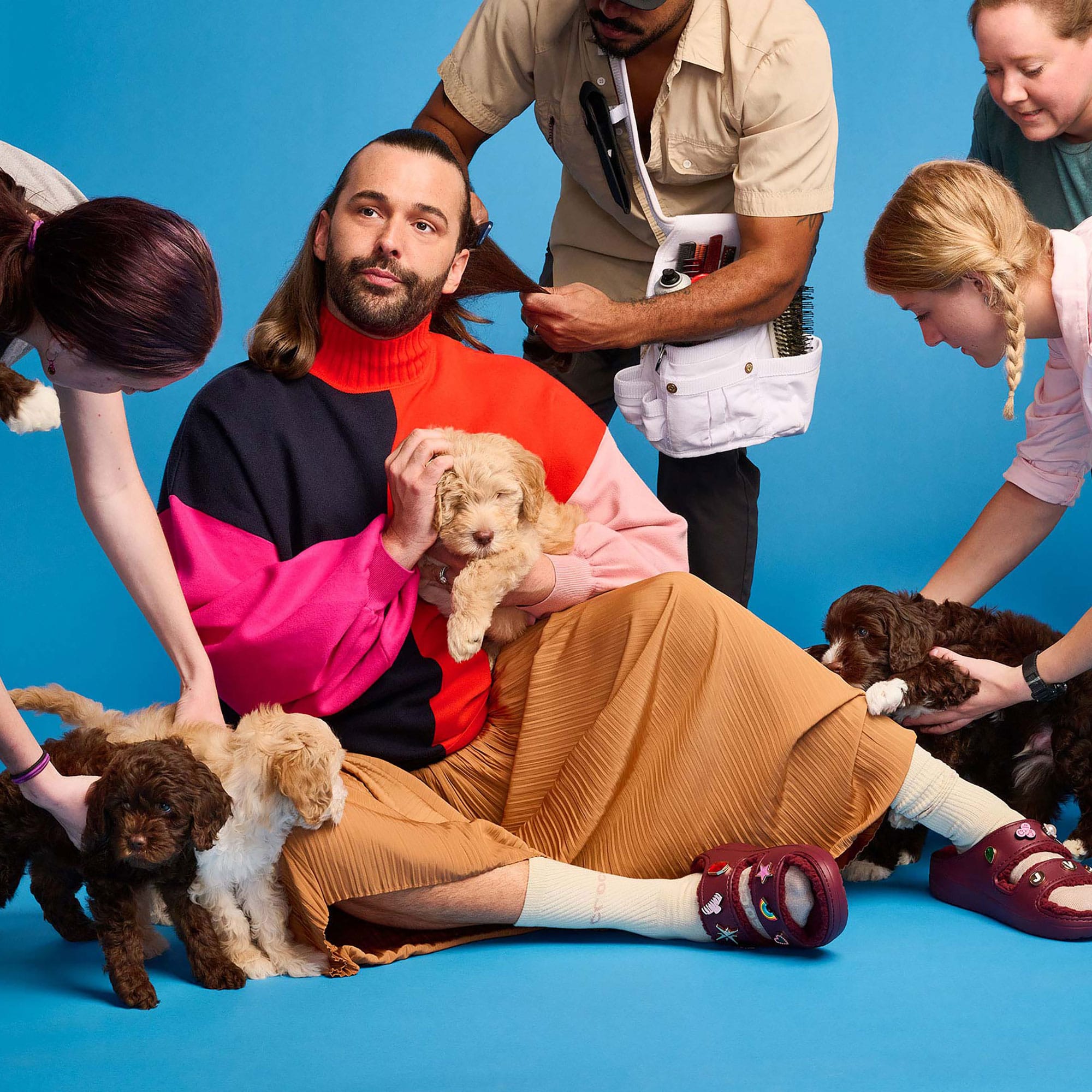
This recent collaboration between Randal Ford and Annabelle Breakey for Purina’s Beneful brand is a strong reflection of what we do best. The project was built on vision, trust, and established relationships, and resulted in a vibrant, cohesive body of work. Both photographers shot simultaneously in the same studio on separate sets. This approach not only supported efficiency, but also fostered a shared creative energy. That sense of camaraderie is central to our agency. We actively cultivate an environment where artists support and inspire one another, and that dynamic consistently translates into stronger, more thoughtful work.
RJ Muna




7. As platforms like Workbook continue to connect artists with new audiences, how do you see that visibility shaping opportunities for your roster?
Our approach has always been to ensure our artists are seen in as many relevant places as possible to maximize exposure. What’s valuable about Workbook is not only the opportunity to connect with clients we may not already be in touch with, but also the way they actively support artists through initiatives like their ScreenTime meetings and targeted email marketing. That said, visibility is just the starting point. What ultimately builds a career is how that initial interest is developed: through relationships, consistency, and a clear point of view. For our roster, it’s about leveraging that exposure while continuing to build deeper, more direct connections with clients. The combination of broad visibility and meaningful relationships is where the most sustainable opportunities come from.
To see more from Marianne Campbell Associates, visit their Workbook portfolio.